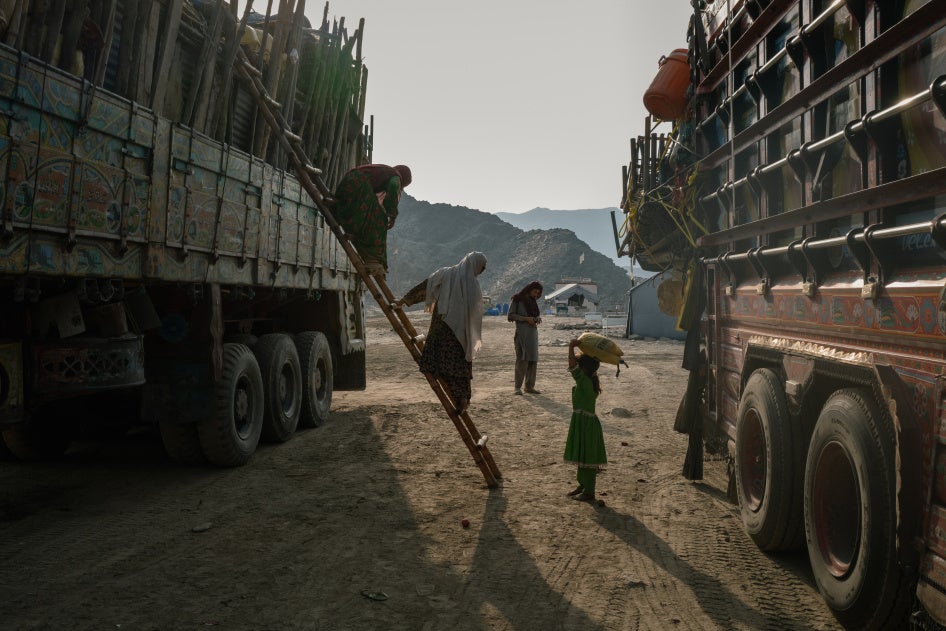
(Bangkok) – The Taliban authorities in Afghanistan in 2025 increased their repression of women and girls and enforced new regulations further curbing media freedom, Human Rights Watch said today in its World Report 2026. The country’s humanitarian crisis worsened because of cuts in foreign aid and the forced return of millions of Afghan refugees.
“Governments need to press the Taliban to end their horrific abuses while also alleviating Afghanistan’s humanitarian crisis and extending protections to Afghan refugees,” said Fereshta Abbasi, Afghanistan researcher at Human Rights Watch. “The Taliban’s unrelenting repression should push governments to support efforts to hold all those responsible for serious crimes in Afghanistan to account.”
In the 529-page World Report 2026, its 36th edition, Human Rights Watch reviewed human rights practices in more than 100 countries. In his introductory essay, Executive Director Philippe Bolopion writes that breaking the authoritarian wave sweeping the world is the challenge of a generation. With the human rights system under unprecedented threat from the Trump administration and other global powers, Bolopion calls on rights-respecting democracies and civil society to build a strategic alliance to defend fundamental freedoms.
- The Taliban issued new draconian laws that further restrict women’s freedom of movement and access to public spaces while enforcing existing bans on post-primary education and limitations on employment, abuses that United Nations experts have described as “gender apartheid.” In July the International Criminal Court issued arrest warrants for senior Taliban leaders for the crime against humanity of gender persecution.
- On October 6, the UN Human Rights Council adopted a landmark resolution creating an independent mechanism to investigate past and ongoing rights abuses in Afghanistan.
- The Taliban imposed new restrictions curbing media freedom and arbitrarily detained critics. The authorities also detained people for alleged infractions of “morality” laws, such as wearing inappropriate hijabs or failing to maintain separate workplace facilities for women and men. Fewer journalists were working due to foreign aid cuts and Taliban policies.
- Afghanistan’s humanitarian crisis grew more acute in 2025 as the US government imposed massive cuts to foreign aid and other countries followed suit, and countries forced millions of Afghan refugees to return to Afghanistan. More than 22 million people were at risk of food insecurity, with women and girls disproportionately affected.
Governments should press the Taliban to end human rights abuses and should also provide humanitarian assistance to the Afghan population, Human Rights Watch said. No country should forcibly return Afghans who could face persecution or threats to their lives. UN member countries should fund and support the new investigative mechanism on Afghanistan.