The African Union (AU) Peace and Security Council should use its January 19 ambassadorial-level meeting to address the urgent protection needs and escalating abuses in South Sudan.
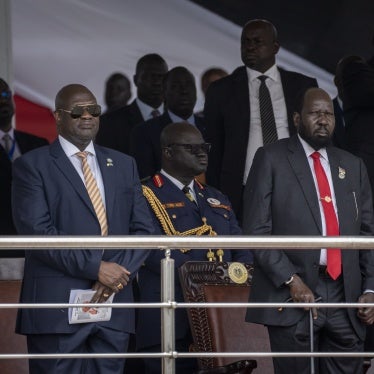
The meeting follows a visit by the AU High-Level Ad Hoc Committee on South Sudan, during which they assessed the 2018 peace agreement’s implementation, which has been undermined by, amongst others, President Salva Kiir’s party’s unilateral amendments.
Over the past year, the AU has increased diplomatic engagement—including deploying the Panel of the Wise and conducting field visits—but without concrete actions, the human rights and humanitarian situation in South Sudan has continued to deteriorate.
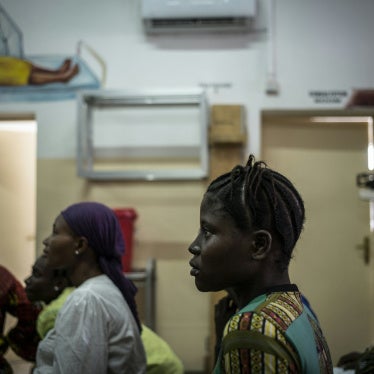
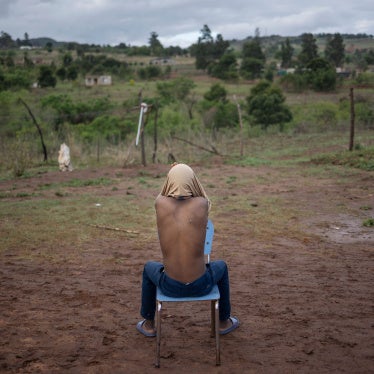
Violations of international humanitarian law that have taken place during fighting in Upper Nile, Jonglei, Central Equatoria, and Western Equatoria states since early 2025 between government-allied forces and armed opposition groups and allied militias include killings of civilians, forced recruitment, sexual violence, and attacks on civilian infrastructure. Government aerial attacks have continued to target areas densely populated by civilians. On December 3, after the Sudan People’s Liberation Movement-in-Opposition (SPLA-IO) and White Army attacked government positions in Jonglei, government forces bombarded a secondary school in Nyirol as students sat for exams, injuring one person. On December 29, airstrikes in Lankien struck near a Médecins Sans Frontières (Doctors Without Borders or MSF) health facility, a market, and an airstrip, injuring at least 12 civilians, one of whom died.
Government authorities have also conducted forced recruitment of children and adults and other abuses under the guise of a crackdown against crime in Juba. Repression has increased with arbitrary arrests of political opponents, journalists, and activists. Entrenched impunity and the political accommodation of perpetrators have fueled recurring cycles of abuses.
The AU Peace and Security Council should press all parties to end attacks on civilians and civilian infrastructure immediately, halt the use of explosive weapons in populated areas, and ensure unimpeded humanitarian access to populations in need.
It should sanction commanders and officials responsible for serious abuses and for obstructing humanitarian operations, reconsider its previous position on lifting the UN arms embargo and sanctions, and publicly commit to a clear timeline for establishing a hybrid court without further delay.
By using its leverage and tools at its disposal, the Peace and Security Council can help prevent further abuses against civilians in South Sudan and demonstrate that it does not turn a blind eye to grave violations.